

RT16 AC/DC Blade Contact Fuse 630A, 500V/660V
RT16 AC/DC Blade Contact Fuse 630A, 500V/660V
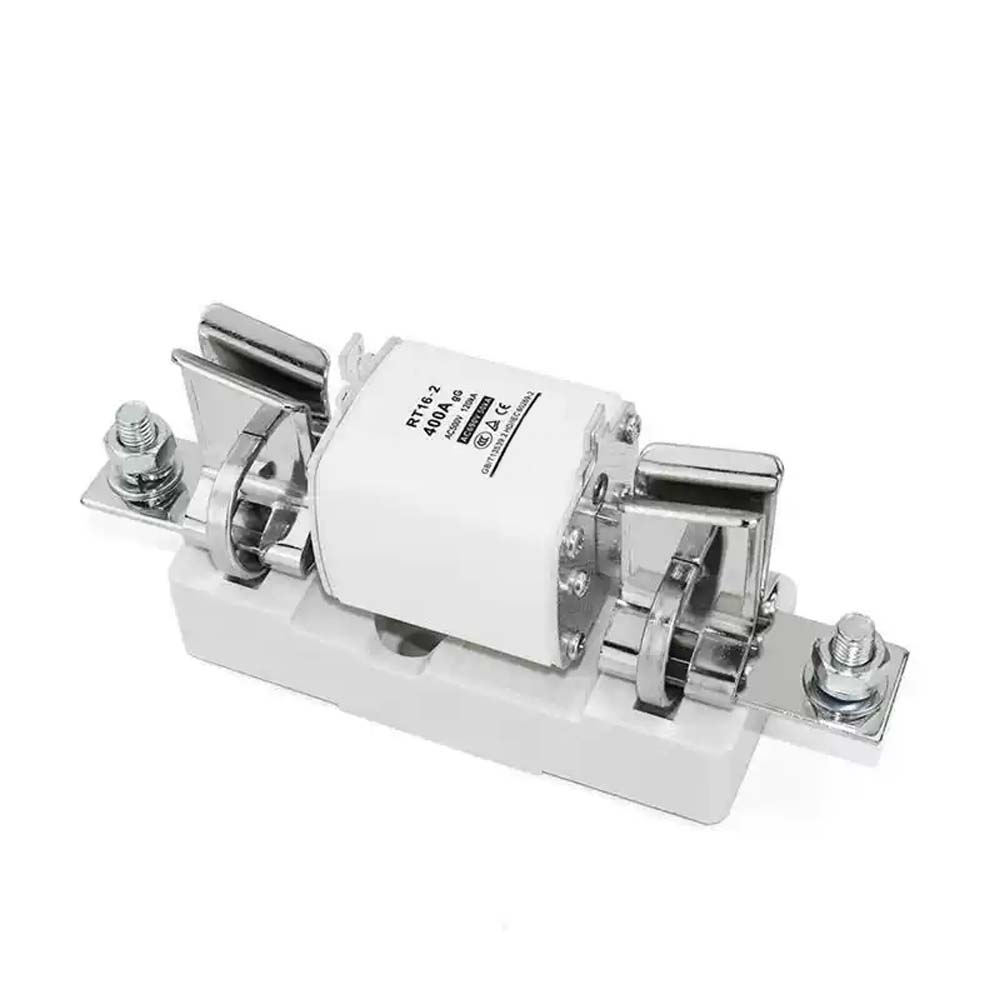
The RT16Z series AC/DC blade contact fuse is a high-performance knife-type (blade) fuse designed for both AC and DC low-voltage power systems. Rated up to 630A, 500/660V, this fuse offers high breaking capacity for overcurrent and short-circuit protection in distribution panels, motor control circuits, and industrial equipment. With a ceramic body, silver-plated contacts, and a compatible base, it ensures reliable, long-lasting performance in commercial and industrial applications.
The RT16Z series AC/DC blade contact fuse is a high-performance knife-type (blade) fuse designed for both AC and DC low-voltage power systems. Rated up to 630A, 500/660V, this fuse offers high breaking capacity for overcurrent and short-circuit protection in distribution panels, motor control circuits, and industrial equipment. With a ceramic body, silver-plated contacts, and a compatible base, it ensures reliable, long-lasting performance in commercial and industrial applications.
1. Product Overview
2. Key Features
- AC/DC Compatibility: Designed for both AC (500V/660V) and DC (440V) low-voltage systems.
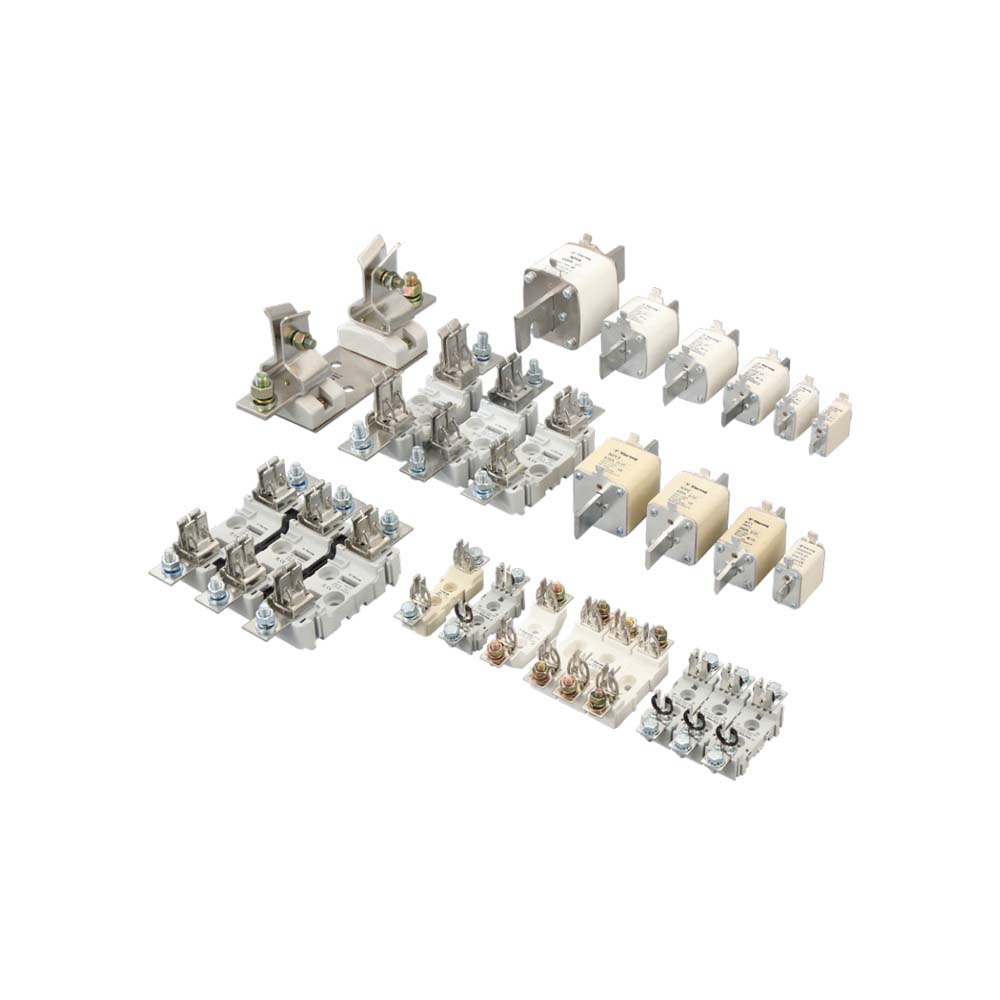
- Wide Current Range: Available in ratings from 2A up to 100A to suit different load requirements.
- High Breaking Capacity: Reliably interrupts short-circuit currents to protect downstream equipment.
- Ceramic Body Construction: High-strength, heat-resistant ceramic housing for excellent thermal stability.
- Silver-Plated Blade Contacts: Low-resistance contacts minimize power loss and heating at rated current.
- Standardized Design: Compatible with standard RT16 fuse bases for easy installation and replacement.
- Low Power Loss: Optimized internal design ensures minimal voltage drop and energy loss.
- Mechanical & Electrical Durability: Designed for frequent switching and long service life in industrial environments.
3. Technical Specifications
| Parameter | Specification |
|---|---|
| Product Series | RT16 |
| Rated Voltage (AC) | 500V / 660V |
| Rated Voltage (DC) | 440V |
| Rated Current Range | 2A ~ 630A |
| Breaking Capacity (AC) | Up to 120kA (varies by rating) |
| Breaking Capacity (DC) | Up to 50kA (varies by rating) |
| Contact Type | Knife-type (blade) contact |
| Body Material | High-strength ceramic |
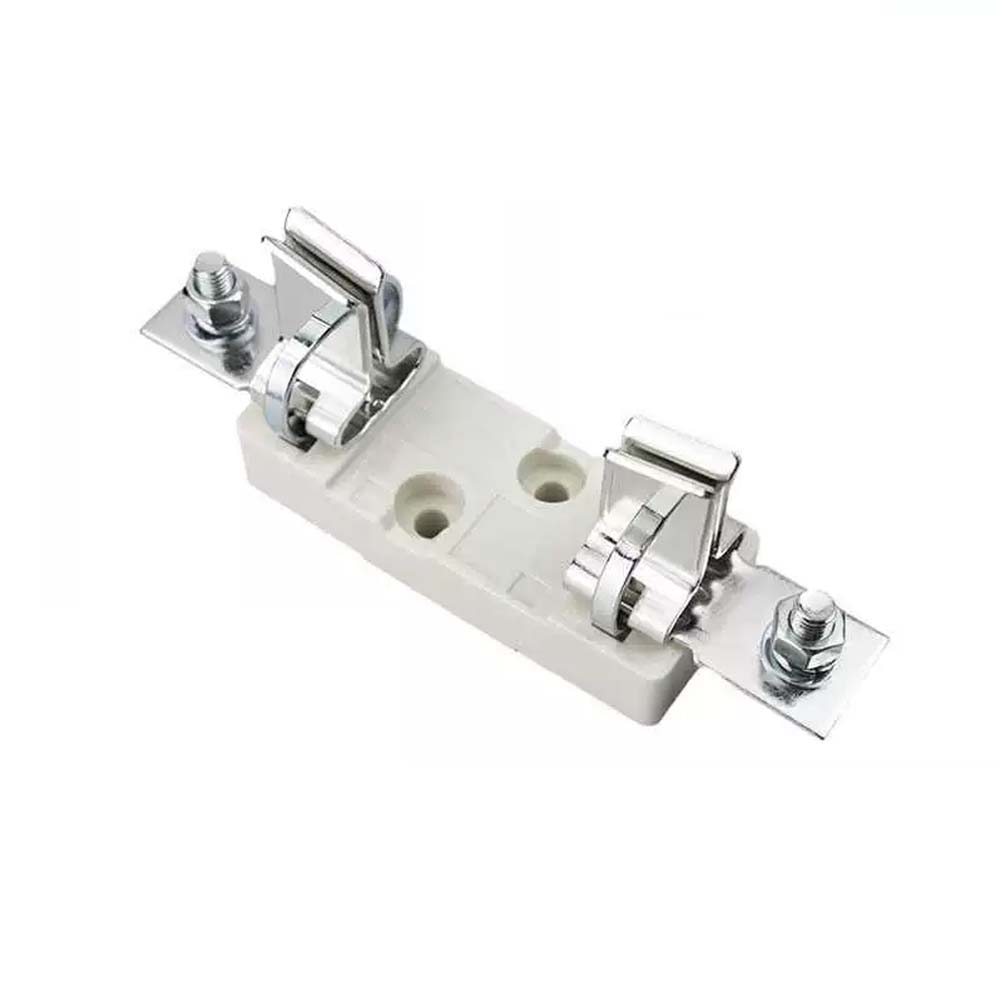
| Base Compatibility | Standard RT16 fuse base |
| Operating Temperature | -25°C ~ +60°C |
| Compliance | IEC 60269, GB 13539, CE certified |
4. Working Principle
- Normal Operation: Current flows through the fuse element with minimal resistance, generating little heat.
- Overcurrent/Short-Circuit: When the current exceeds the rated value, the fuse element heats up rapidly and melts, interrupting the circuit.
- Arc Extinction: The ceramic body and special filler material quickly quench the arc formed during interruption, preventing re-ignition and ensuring safe circuit isolation.
- Circuit Protection: The blown fuse stops current flow, protecting downstream equipment from damage due to overcurrent or short-circuit conditions.
5. Applications
- Power Distribution Systems: Low-voltage distribution panels, switchgear, and busbar systems.
- Motor Protection: AC/DC motor control circuits, motor starters, and pump systems.
- Industrial Equipment: CNC machines, conveyor systems, and automation control panels.
- Commercial Buildings: Lighting circuits, HVAC systems, and elevator control panels.
- DC Power Systems: Battery charging circuits, solar combiner boxes, and DC distribution systems.
6. Installation & Operation Instructions
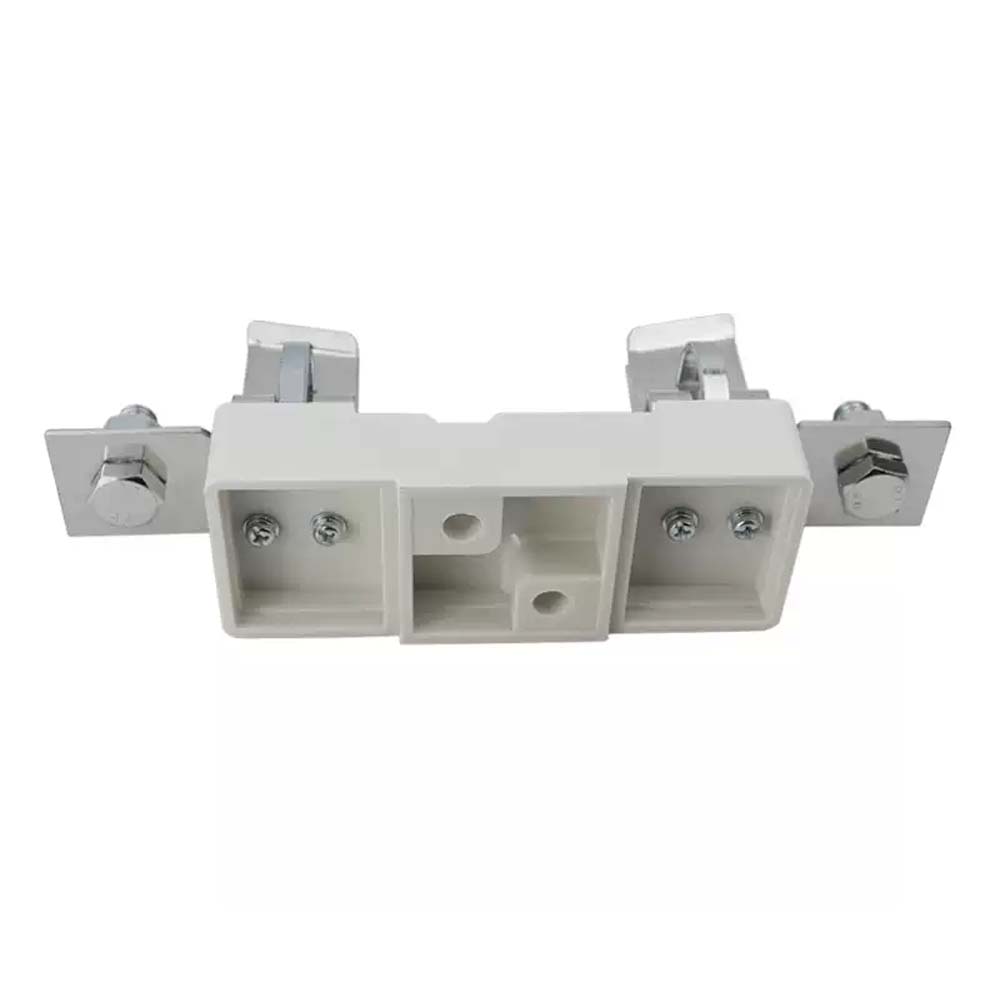
- Fuse Base Installation: Secure the RT16 fuse base in the distribution panel or switchgear using the provided mounting hardware.
- Fuse Insertion: Align the fuse’s blade contacts with the base and insert firmly, ensuring proper contact.
- Wiring: Connect the line and load cables to the fuse base terminals, tightening them to the manufacturer’s recommended torque.
- Verification: Energize the circuit and verify normal operation. If the fuse blows, disconnect power before replacing it with a new, correctly rated fuse.
- Safety Notes:
- Always disconnect power before replacing the fuse.
- Replace blown fuses with the same current rating and voltage specification only.
- Do not use fuses with a higher rating than the circuit design allows.
7. Frequently Asked Questions (FAQ)
Q1: What is the difference between AC and DC versions of the RT16 fuse?
Q2: How do I choose the right current rating?
Q3: Can I use this fuse in a solar combiner box?
Q4: What is the purpose of the ceramic body?
Q5: Do I need a specific base for this fuse?
Q6: Is the RT16 series CE certified?
8. Technical Documents & Support
Download the full datasheet for detailed specifications, wiring diagrams, and trip coordination guidelines.
Contact our engineering team for custom configurations, communication module integration, or OEM solutions for large-scale projects.
Request a quote with your project details for bulk pricing, lead times, and compliance certifications.
1. Product Overview
2. Key Features
- AC/DC Compatibility: Designed for both AC (500V/660V) and DC (440V) low-voltage systems.
- Wide Current Range: Available in ratings from 2A up to 100A to suit different load requirements.
- High Breaking Capacity: Reliably interrupts short-circuit currents to protect downstream equipment.
- Ceramic Body Construction: High-strength, heat-resistant ceramic housing for excellent thermal stability.
- Silver-Plated Blade Contacts: Low-resistance contacts minimize power loss and heating at rated current.
- Standardized Design: Compatible with standard RT16 fuse bases for easy installation and replacement.
- Low Power Loss: Optimized internal design ensures minimal voltage drop and energy loss.
- Mechanical & Electrical Durability: Designed for frequent switching and long service life in industrial environments.
3. Technical Specifications
| Parameter | Specification |
|---|---|
| Product Series | RT16 |
| Rated Voltage (AC) | 500V / 660V |
| Rated Voltage (DC) | 440V |
| Rated Current Range | 2A ~ 630A |
| Breaking Capacity (AC) | Up to 120kA (varies by rating) |
| Breaking Capacity (DC) | Up to 50kA (varies by rating) |
| Contact Type | Knife-type (blade) contact |
| Body Material | High-strength ceramic |
| Base Compatibility | Standard RT16 fuse base |
| Operating Temperature | -25°C ~ +60°C |
| Compliance | IEC 60269, GB 13539, CE certified |
4. Working Principle
- Normal Operation: Current flows through the fuse element with minimal resistance, generating little heat.
- Overcurrent/Short-Circuit: When the current exceeds the rated value, the fuse element heats up rapidly and melts, interrupting the circuit.
- Arc Extinction: The ceramic body and special filler material quickly quench the arc formed during interruption, preventing re-ignition and ensuring safe circuit isolation.
- Circuit Protection: The blown fuse stops current flow, protecting downstream equipment from damage due to overcurrent or short-circuit conditions.
5. Applications
- Power Distribution Systems: Low-voltage distribution panels, switchgear, and busbar systems.
- Motor Protection: AC/DC motor control circuits, motor starters, and pump systems.
- Industrial Equipment: CNC machines, conveyor systems, and automation control panels.
- Commercial Buildings: Lighting circuits, HVAC systems, and elevator control panels.
- DC Power Systems: Battery charging circuits, solar combiner boxes, and DC distribution systems.
6. Installation & Operation Instructions
- Fuse Base Installation: Secure the RT16 fuse base in the distribution panel or switchgear using the provided mounting hardware.
- Fuse Insertion: Align the fuse’s blade contacts with the base and insert firmly, ensuring proper contact.
- Wiring: Connect the line and load cables to the fuse base terminals, tightening them to the manufacturer’s recommended torque.
- Verification: Energize the circuit and verify normal operation. If the fuse blows, disconnect power before replacing it with a new, correctly rated fuse.
- Safety Notes:
- Always disconnect power before replacing the fuse.
- Replace blown fuses with the same current rating and voltage specification only.
- Do not use fuses with a higher rating than the circuit design allows.
7. Frequently Asked Questions (FAQ)
Q1: What is the difference between AC and DC versions of the RT16 fuse?
Q2: How do I choose the right current rating?
Q3: Can I use this fuse in a solar combiner box?
Q4: What is the purpose of the ceramic body?
Q5: Do I need a specific base for this fuse?
Q6: Is the RT16 series CE certified?
8. Technical Documents & Support
Download the full datasheet for detailed specifications, wiring diagrams, and trip coordination guidelines.
Contact our engineering team for custom configurations, communication module integration, or OEM solutions for large-scale projects.
Request a quote with your project details for bulk pricing, lead times, and compliance certifications.

Related Products
Contact Us
Have questions about our products or services? Our team is here to help you with any inquiries.