

PV Combiner Box: Essential Solar PV System Guide
PV Combiner Box: Essential Solar PV System Guide
1. What Is a PV Combiner Box and Its Core Functions
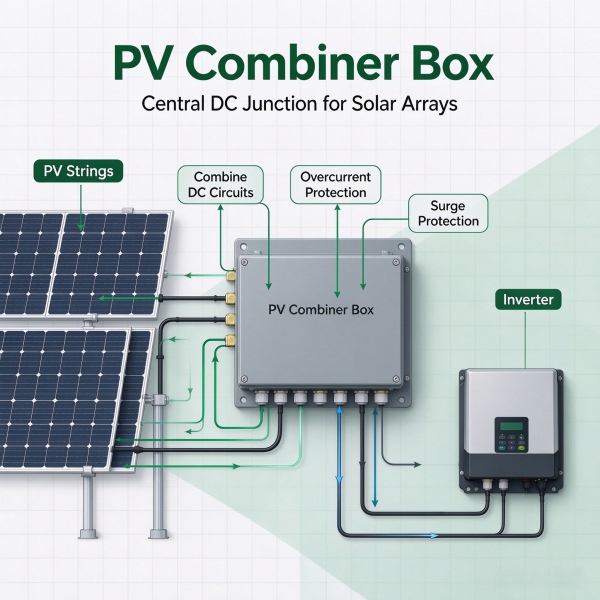
The solar system relies on multiple key components to collect and deliver DC power from panels. The PV Combiner Box serves as a central junction, merging several PV strings and feeding combined power toward the inverter. It streamlines wiring management and delivers essential circuit protection for the solar array.
Directly connecting numerous PV strings to inverters without this unit creates messy wiring and complicates maintenance. It also makes troubleshooting individual string faults much harder during routine checks.
2. Main Components Inside a Solar PV Combiner Box
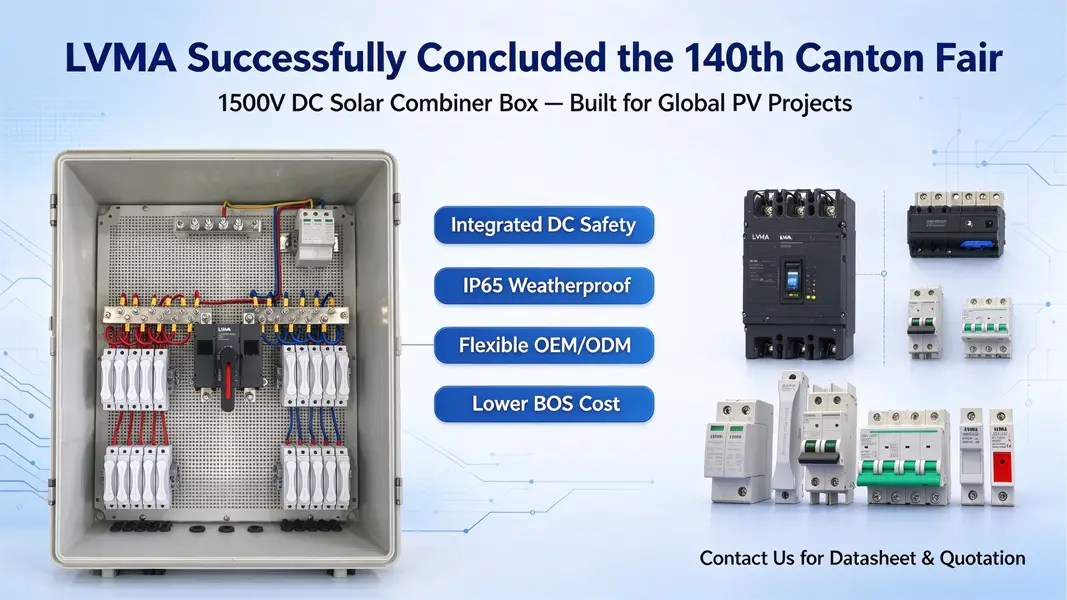
A standard combiner box integrates functional protective parts. String fuses or DC circuit breakers guard each individual string against overcurrent damage. Surge protection modules shield the whole system from lightning-induced voltage surges.
DC terminals organize cable connections, and an IP-rated enclosure safeguards internal components against outdoor weather.These components jointly maintain reliable circuit operation. Many upgraded models also add monitoring terminals to track string current and voltage remotely.
3. Common Types of PV Combiner Boxes for Different Solar Projects
PV combiner boxes are categorized to match project scales. Compact 2–4 string models fit residential rooftop solar. Medium 6–12 string versions are widely used for commercial rooftop installations.
High-capacity multi-input types are designed for large ground-mount solar farms. Installers can select wall-mounted or rack-mounted configurations according to site space conditions. Some special anti-corrosion types are made for coastal areas with salt spray.
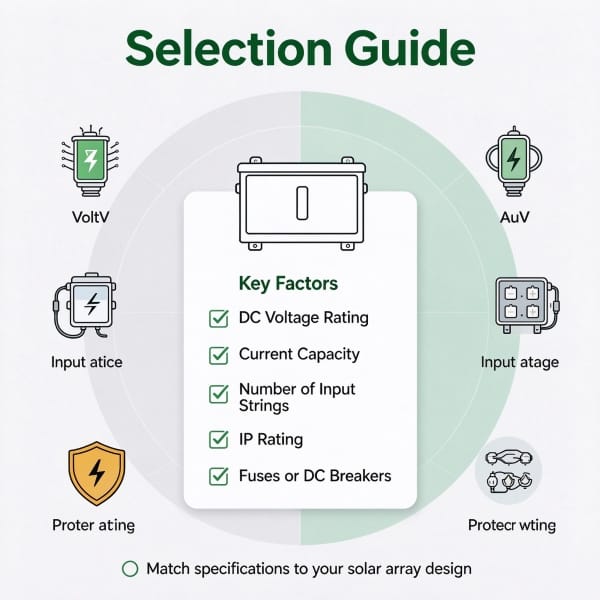
4. Key Factors to Consider When Selecting a PV Combiner Box
Several specifications deserve careful review during selection. Rated DC voltage and current must align with the open-circuit parameters of solar panels. The input string quantity needs to match your array layout.
Outdoor applications require sufficient IP protection grade against moisture and dust. Compatibility with system voltage is another non-negotiable check point. Always confirm whether you need fuses or DC breakers for string protection before purchase.
5. Safety Rules & Installation Tips for PV Combiner Boxes
Strict safety procedures apply throughout installation and maintenance. Isolate all PV string power before opening the enclosure. Arrange cables neatly and fasten terminals firmly to prevent overheating. Schedule periodic checks on fuses and surge devices to lower unexpected outage chances.
Correct installation lets your PV Combiner Box run steadily for the long term. Grounding must follow local electrical codes to avoid electric shock and surge risks.
For continuous, secure solar operation, proper selection and standardized installation of the PV Combiner Box greatly boost the overall stability and safety of solar PV systems.
FAQ
Q: Is a PV combiner box mandatory for every solar setup?
A: Tiny single or dual-string systems can operate without it, but multi-string arrays highly recommend this device.
Q: Does a PV combiner box work as an inverter?
A: No. It combines DC circuits and offers protection; the inverter handles DC-to-AC power conversion.
Q: What is the difference between a PV combiner box and an AC combiner box?
A: A PV combiner box handles DC power before the inverter. An AC combiner box collects AC output from multiple inverters after power conversion.
Q: Can I mix PV strings with different panel types or tilt angles into one combiner box?
A: It is not recommended. Mismatched strings cause power loss, hotspots and unstable current, which may damage modules and protection parts.
Q: What IP rating should I choose for outdoor installation?
A: IP65 is the most common option for general outdoor use. Coastal sites exposed to salt fog usually need IP66 and corrosion-resistant enclosures.
Q: Can I replace failed SPD or fuses inside the combiner box?
A: Yes. Most components are DIN-rail mounted for easy replacement. Be sure to use DC PV-rated spare parts and cut off power before service.
Q: How often should I inspect a PV combiner box?
A: Visual inspection every 6 months is suggested. Full testing of surge protectors and fuses should be done at least once a year.
Share This Article
Follow Us
1. What Is a PV Combiner Box and Its Core Functions
The solar system relies on multiple key components to collect and deliver DC power from panels. The PV Combiner Box serves as a central junction, merging several PV strings and feeding combined power toward the inverter. It streamlines wiring management and delivers essential circuit protection for the solar array.
Directly connecting numerous PV strings to inverters without this unit creates messy wiring and complicates maintenance. It also makes troubleshooting individual string faults much harder during routine checks.
2. Main Components Inside a Solar PV Combiner Box
A standard combiner box integrates functional protective parts. String fuses or DC circuit breakers guard each individual string against overcurrent damage. Surge protection modules shield the whole system from lightning-induced voltage surges.
DC terminals organize cable connections, and an IP-rated enclosure safeguards internal components against outdoor weather.These components jointly maintain reliable circuit operation. Many upgraded models also add monitoring terminals to track string current and voltage remotely.
3. Common Types of PV Combiner Boxes for Different Solar Projects
PV combiner boxes are categorized to match project scales. Compact 2–4 string models fit residential rooftop solar. Medium 6–12 string versions are widely used for commercial rooftop installations.
High-capacity multi-input types are designed for large ground-mount solar farms. Installers can select wall-mounted or rack-mounted configurations according to site space conditions. Some special anti-corrosion types are made for coastal areas with salt spray.
4. Key Factors to Consider When Selecting a PV Combiner Box
Several specifications deserve careful review during selection. Rated DC voltage and current must align with the open-circuit parameters of solar panels. The input string quantity needs to match your array layout.
Outdoor applications require sufficient IP protection grade against moisture and dust. Compatibility with system voltage is another non-negotiable check point. Always confirm whether you need fuses or DC breakers for string protection before purchase.
5. Safety Rules & Installation Tips for PV Combiner Boxes
Strict safety procedures apply throughout installation and maintenance. Isolate all PV string power before opening the enclosure. Arrange cables neatly and fasten terminals firmly to prevent overheating. Schedule periodic checks on fuses and surge devices to lower unexpected outage chances.
Correct installation lets your PV Combiner Box run steadily for the long term. Grounding must follow local electrical codes to avoid electric shock and surge risks.
For continuous, secure solar operation, proper selection and standardized installation of the PV Combiner Box greatly boost the overall stability and safety of solar PV systems.
FAQ
Q: Is a PV combiner box mandatory for every solar setup?
A: Tiny single or dual-string systems can operate without it, but multi-string arrays highly recommend this device.
Q: Does a PV combiner box work as an inverter?
A: No. It combines DC circuits and offers protection; the inverter handles DC-to-AC power conversion.
Q: What is the difference between a PV combiner box and an AC combiner box?
A: A PV combiner box handles DC power before the inverter. An AC combiner box collects AC output from multiple inverters after power conversion.
Q: Can I mix PV strings with different panel types or tilt angles into one combiner box?
A: It is not recommended. Mismatched strings cause power loss, hotspots and unstable current, which may damage modules and protection parts.
Q: What IP rating should I choose for outdoor installation?
A: IP65 is the most common option for general outdoor use. Coastal sites exposed to salt fog usually need IP66 and corrosion-resistant enclosures.
Q: Can I replace failed SPD or fuses inside the combiner box?
A: Yes. Most components are DIN-rail mounted for easy replacement. Be sure to use DC PV-rated spare parts and cut off power before service.
Q: How often should I inspect a PV combiner box?
A: Visual inspection every 6 months is suggested. Full testing of surge protectors and fuses should be done at least once a year.
Contact Us
Related Blog



Contact Us
Have questions about our products or services? Our team is here to help you with any inquiries.