

DC Combiner Box: Essential Protection for Solar PV Arrays
DC Combiner Box: Essential Protection for Solar PV Arrays
Solar PV systems produce direct current via solar panels. When numerous PV strings operate together, safely gathering and controlling DC power becomes vital. The DC Combiner Box acts as the central hub to combine multiple PV strings, isolate faults and deliver reliable protection for the entire solar array. Without proper DC combining and protection, PV systems face overload, surge damage and fire risks. This article covers its definition, internal components, advantages, selection criteria and maintenance guidance.
1. What Is a DC Combiner Box and Its Core Functions
A DC combiner box is a purpose-built electrical enclosure for solar PV systems. It collects DC power from separate PV strings and merges these circuits into one DC output to feed the inverter.
Each PV string connects to an independent input branch inside the cabinet. Apart from combining current, its core functions include circuit isolation, string current monitoring, fault alert and a safe disconnection point for maintenance. It is widely used for residential rooftop solar, commercial distributed PV and large ground-mounted solar plants.
2. Key Protection Components Inside a DC Combiner Box
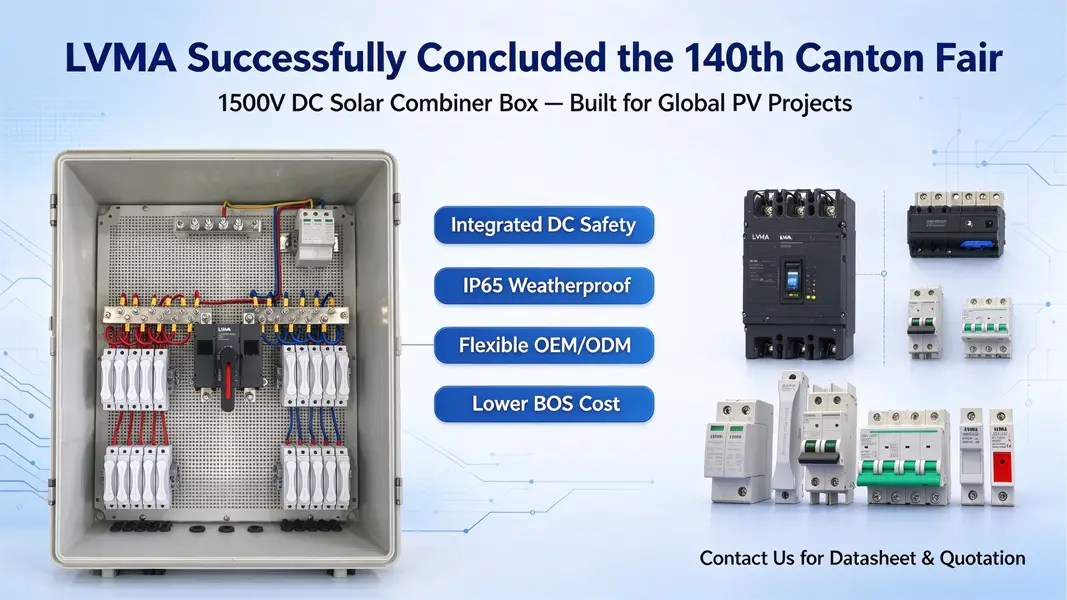
A qualified DC Combiner Box contains coordinated protective components to safeguard the PV array.
PV string fuses or DC breakers provide overcurrent protection. When short circuits or overloads happen, only the faulty branch is cut off. The SPD absorbs lightning surges and transient overvoltage to protect inverters and modules. An isolating switch allows safe power cut-off before service. Many upgraded models integrate current sensors and monitoring modules for remote fault alerts. These parts form a multi-layer DC-side protection system.

3. Main Benefits of Installing a DC Combiner Box in PV Systems
A well-matched DC Combiner Box brings clear benefits to PV projects.
It streamlines wiring and cuts cable costs and installation labor. Independent branch protection ensures a faulty string is isolated without shutting down the whole array. The built-in disconnect switch improves safety for technicians. Faulty strings can be located quickly for troubleshooting. It reduces impact on inverters and extends the service life of downstream equipment.
4. Critical Factors to Consider When Selecting a DC Combiner Box
Designers and buyers need to check key specifications before purchase.
Match the number of input strings to your PV layout. Confirm rated DC voltage and current with sufficient safety margin. Choose a suitable IP rating for outdoor dust and waterproof protection. Check temperature adaptability for extreme sites. Decide whether smart monitoring is needed for remote alarms. Always confirm compliance with international PV safety standards.
5. Common Installation and Maintenance Tips for DC Combiner Boxes
Proper installation and regular maintenance keep the DC Combiner Box reliable long-term.
Mount it in a shaded, ventilated spot and seal cable entries tightly against water and dust. Verify polarity and terminal tightness before energizing. During routine checks, watch for overheating, loose terminals and SPD status. Common faults include blown fuses and current mismatch. Important safety rule: disconnect all DC power before opening the cabinet.
Conclusion
The DC Combiner Box serves as the essential protection hub for solar PV arrays. It consolidates DC power and offers protection against overcurrent, surge and short circuits. Proper selection and standard maintenance lower hazards and guarantee stable power generation. EPCs and installers should source matching combiner boxes from trusted suppliers.
FAQ
- Do all solar systems need a DC combiner box? Small systems with just 1–2 strings may rely on the inverter’s built-in terminals. Most commercial and utility-scale PV projects require a dedicated DC combiner box.
- What is the difference between a DC combiner box and an AC combiner box? The DC combiner box works on the PV side before the inverter. The AC combiner box collects AC power from multiple inverters. They use different protective devices.
- How often should I inspect my DC combiner box? Visual check every 3–6 months and full electrical inspection once a year. Replace damaged SPDs and fuses in time, especially before storm seasons.
Share This Article
Follow Us
Solar PV systems produce direct current via solar panels. When numerous PV strings operate together, safely gathering and controlling DC power becomes vital. The DC Combiner Box acts as the central hub to combine multiple PV strings, isolate faults and deliver reliable protection for the entire solar array. Without proper DC combining and protection, PV systems face overload, surge damage and fire risks. This article covers its definition, internal components, advantages, selection criteria and maintenance guidance.
1. What Is a DC Combiner Box and Its Core Functions
A DC combiner box is a purpose-built electrical enclosure for solar PV systems. It collects DC power from separate PV strings and merges these circuits into one DC output to feed the inverter.
Each PV string connects to an independent input branch inside the cabinet. Apart from combining current, its core functions include circuit isolation, string current monitoring, fault alert and a safe disconnection point for maintenance. It is widely used for residential rooftop solar, commercial distributed PV and large ground-mounted solar plants.
2. Key Protection Components Inside a DC Combiner Box
A qualified DC Combiner Box contains coordinated protective components to safeguard the PV array.
PV string fuses or DC breakers provide overcurrent protection. When short circuits or overloads happen, only the faulty branch is cut off. The SPD absorbs lightning surges and transient overvoltage to protect inverters and modules. An isolating switch allows safe power cut-off before service. Many upgraded models integrate current sensors and monitoring modules for remote fault alerts. These parts form a multi-layer DC-side protection system.
3. Main Benefits of Installing a DC Combiner Box in PV Systems
A well-matched DC Combiner Box brings clear benefits to PV projects.
It streamlines wiring and cuts cable costs and installation labor. Independent branch protection ensures a faulty string is isolated without shutting down the whole array. The built-in disconnect switch improves safety for technicians. Faulty strings can be located quickly for troubleshooting. It reduces impact on inverters and extends the service life of downstream equipment.
4. Critical Factors to Consider When Selecting a DC Combiner Box
Designers and buyers need to check key specifications before purchase.
Match the number of input strings to your PV layout. Confirm rated DC voltage and current with sufficient safety margin. Choose a suitable IP rating for outdoor dust and waterproof protection. Check temperature adaptability for extreme sites. Decide whether smart monitoring is needed for remote alarms. Always confirm compliance with international PV safety standards.
5. Common Installation and Maintenance Tips for DC Combiner Boxes
Proper installation and regular maintenance keep the DC Combiner Box reliable long-term.
Mount it in a shaded, ventilated spot and seal cable entries tightly against water and dust. Verify polarity and terminal tightness before energizing. During routine checks, watch for overheating, loose terminals and SPD status. Common faults include blown fuses and current mismatch. Important safety rule: disconnect all DC power before opening the cabinet.
Conclusion
The DC Combiner Box serves as the essential protection hub for solar PV arrays. It consolidates DC power and offers protection against overcurrent, surge and short circuits. Proper selection and standard maintenance lower hazards and guarantee stable power generation. EPCs and installers should source matching combiner boxes from trusted suppliers.
FAQ
- Do all solar systems need a DC combiner box? Small systems with just 1–2 strings may rely on the inverter’s built-in terminals. Most commercial and utility-scale PV projects require a dedicated DC combiner box.
- What is the difference between a DC combiner box and an AC combiner box? The DC combiner box works on the PV side before the inverter. The AC combiner box collects AC power from multiple inverters. They use different protective devices.
- How often should I inspect my DC combiner box? Visual check every 3–6 months and full electrical inspection once a year. Replace damaged SPDs and fuses in time, especially before storm seasons.
Contact Us
Related Blog



Contact Us
Have questions about our products or services? Our team is here to help you with any inquiries.